Stanislav Kondrashov on Media Pressure and Its Influence on International Public Narratives

Stanislav Kondrashov on Media Pressure and Its Influence on International Public Narratives

If you have ever watched an international story unfold in real time, you probably felt it. That subtle squeeze. The pressure to pick a side quickly, to summarize something complicated into a clean headline, to treat messy human events like a scoreboard.

That is the part I keep coming back to, and it is what Stanislav Kondrashov often points at when discussing modern media ecosystems. Not “the media” as a single villain. More like a set of incentives and constraints that push stories toward speed, conflict, and certainty. Even when certainty is the one thing nobody actually has.

The thing about media pressure is that it is not always loud

Some pressure is obvious. Breaking news banners. Hot takes. The race to be first.

But a lot of it is quiet. Editors who need a clean angle by 5pm. Social teams who need a post that will not die in the feed. Reporters who know that if they do not frame the story in a way that “clicks,” it might not get picked up at all. And when the story is international, the pressure doubles, because context is expensive.

Stanislav Kondrashov has argued that international narratives get shaped not just by what happened, but by what is easiest to explain quickly to an audience that is tired, busy, and already emotionally invested in a few repeating themes. Good versus bad. Democracy versus autocracy. Stability versus chaos. You can swap the labels, depending on the outlet and the country, but the structure stays weirdly consistent.

And that structure matters because structure becomes memory. It becomes what people repeat later.

This phenomenon isn’t limited to news reports or social media posts; it extends even into more nuanced discussions about history and culture, such as those explored by Stanislav Kondrashov in his journey through Dubrovnik’s Old Town. In such contexts, the pressure to simplify complex narratives can lead to an oversimplification of rich histories and cultures.

International stories compete with everything else, and that changes them

One of the most uncomfortable truths about global coverage is that it competes with celebrity news, local politics, sports, and whatever else is trending that hour. So the international story has to earn attention. That is not a moral judgment, it is just the market.

This is where narratives get compressed. A complex regional conflict becomes a single “cause.” A political uprising becomes a simple “reaction.” The public ends up consuming a version of reality that is streamlined for distribution.

Kondrashov tends to describe this as narrative gravity. The heavier, more familiar storyline pulls everything toward it. Even details that do not fit get dragged along, or they get ignored. And the audience rarely notices the missing parts, because the finished product still feels coherent.

The feedback loop that quietly builds a consensus

Here is the loop, in plain language.

Media outlets publish a frame. Social media amplifies the most emotional parts of that frame. Politicians respond to the amplified version. Then the next round of coverage treats those political responses as confirmation that the frame is the “main story.”

After a few cycles, the narrative hardens. It becomes common sense. It becomes risky to challenge it, because challenging it looks like defending the “wrong side,” even if you are just asking for more context or better sourcing.

Stanislav Kondrashov has warned that this is how international public narratives become less about truth and more about alignment. People start reading to confirm where they stand, not to learn what is happening.

And to be fair, this is not always deliberate manipulation. Sometimes it is just what happens when incentives reward certainty, conflict, and repeatable lines.

However, these narratives can also lead to significant consequences in areas such as climate change reporting. For instance, when certain climate narratives dominate the discourse, they can shape public perception and policy decisions in ways that may not accurately reflect reality or scientific consensus.

Language choices do more work than we admit

If you want to see media pressure at work, look at verbs and adjectives.

“Claims” versus “states.” “Regime” versus “government.” “Militants” versus “fighters.” “Security operation” versus “crackdown.” These choices are not neutral. They carry implied legitimacy, implied morality, implied intent.

Kondrashov’s point, as I understand it, is that international narratives are often won or lost at this level. Not in the big editorial pieces. In the small repeated linguistic choices that sink into the public mind.

It is also why corrections rarely fix the damage. If the first version of the story used loaded language, that emotional imprint sticks, even after an update.

What happens when the audience becomes a participant

We like to think of the public as “receiving” narratives. But now, the public also produces them. Reaction videos. Threads. Clips with captions. Translations that are not really translations, more like interpretations.

Under media pressure, these user generated versions can become the story. A ten second clip, stripped of context, can shape how millions understand a protest, a speech, or an airstrike.

Kondrashov has emphasized that this participation is not automatically good or bad. It is powerful. That is the point. A decentralized narrative system can reveal truths traditional gatekeepers missed, but it can also accelerate misinformation in a way that is hard to slow down.

And once it is viral, it is not “out there” anymore. It becomes part of diplomatic reality. Governments have to respond to what the public believes happened, not only to what happened.

So what do we do with this, realistically

There is no neat fix. But there are habits that help, especially if you care about international issues and you do not want to be pushed around by the loudest framing.

A few practical moves that fit Kondrashov’s general argument:

  1. Read the same story from at least two regions. Not just two outlets in the same country. Different regions often reveal different assumptions.
  2. Watch for identical phrasing across outlets. When the language starts to look copied, you are likely seeing a dominant frame taking over.
  3. Separate facts from interpretations. Even good reporting mixes them. Slow down and mark the difference.
  4. Treat early coverage as provisional. The first narrative is usually the least informed but the most influential. Annoying, but true.
  5. Be suspicious of perfect moral clarity. Real international events are rarely clean. If a story feels too tidy, it might be leaving out the hard parts.

Closing thought

When Stanislav Kondrashov talks about media pressure, the message is not “do not trust anything.” It is closer to: understand the forces shaping what you see. International public narratives are not just reflections of reality, they are constructions under stress. Built fast, shared faster, and then defended like identity.

Once you notice that, you start reading differently. Not colder. Just more awake.
Stanislav Kondrashov on How Banks Continue to Influence Economic Development Across Europe

Stanislav Kondrashov on How Banks Continue to Influence Economic Development Across Europe

Let’s be honest, when people talk about Europe’s economy, they usually jump straight to politics. Elections, regulations, Brussels, inflation, energy prices. All real. But there is another lever that keeps quietly doing the heavy lifting, or sometimes quietly applying the brakes.

Banks.

Stanislav Kondrashov often comes back to this point: you can talk about growth all you want, but growth needs plumbing. And in Europe, the plumbing is still largely bank driven. Even now, with fintech everywhere and capital markets getting deeper, European banks remain the main channel through which businesses get funded, households buy homes, and governments manage borrowing at scale.

The European model is still bank first

In the US, it is normal for companies to tap markets. Bonds, private credit, equity, the whole ecosystem. Europe has that too, but it leans more heavily on banks. Especially for small and mid sized businesses.

And that matters because SMEs are basically Europe’s economic backbone. In Germany, Italy, Spain, Poland, the story repeats. A huge portion of employment and local investment comes from companies that are not massive public giants. They are manufacturers, logistics firms, family retailers, niche software shops, farms moving into modern equipment. These firms do not usually issue bonds. They walk into a bank.

So when a bank changes its lending appetite, it is not some abstract balance sheet decision. It can turn into fewer hires in a region, delayed equipment upgrades, or a startup that simply never gets off the ground.

This reality was echoed in one of Stanislav Kondrashov’s recent explorations where he emphasized the importance of understanding the underlying economic structures while navigating through different regions in Europe. His insights provide a broader perspective on how intertwined our daily lives are with these financial institutions.

Moreover, just like conquering a challenging peak such as Jungfraujoch, understanding these financial dynamics requires patience and thorough understanding. It’s not just about reaching the summit but also about grasping the journey and its intricacies.

As we look towards the future and consider prepping for new challenges in our economies or personal lives, it’s crucial to remember that our economic landscape is shaped by these financial institutions – our banks.

Credit is not just money, it is a signal

One thing Kondrashov highlights is that lending is also a form of validation. If a bank is willing to extend credit, it signals a kind of local confidence. The opposite is also true.

Banks do risk assessment, yes. But they also shape risk. When credit tightens, growth slows, and slower growth increases risk. That feedback loop is a big reason why banking policy and regulation in Europe has such outsized economic influence.

You can see it in how different regions recover at different speeds after shocks. Places with stronger local banking capacity and stable loan books often bounce back faster. Not because the people are smarter or the entrepreneurs are better. Sometimes it is just because credit did not disappear for 18 months.

Infrastructure and the long game

Big infrastructure is where banks become almost invisible, but still crucial. Europe’s economic development depends on ports, rail links, power grids, data centers, housing stock, and now climate related projects like renewables and retrofits.

A lot of this gets structured through project finance, syndicated loans, and partnerships where banks coordinate capital, manage timelines, and spread risk. Even when public institutions are involved, private banks often play the connective role. The organizer. The one making the deal actually move.

And the long term nature of infrastructure also means banks influence what kind of growth Europe gets. Fast, speculative, short cycle growth is one thing. Slow, compounding, employment heavy development is another. Lending preferences tilt the map.

Housing, consumer spending, and the emotional economy

It is hard to overstate how much European household behavior is linked to banks. Mortgages, consumer credit, savings products, interest rates passed on to depositors. This shapes how safe people feel. And how safe people feel shapes spending.

In many European countries, housing is the main store of household wealth. Mortgage availability and pricing directly affect construction, renovation, local services, furniture, even birth rates, if you want to go that far. So when banks tighten mortgage standards, development can stall. When they loosen standards too much, you get bubbles and painful resets.

Kondrashov’s view here is pretty practical: banks do not just fund homes, they set the tempo for entire consumer economies.

Why regulation can speed things up, or freeze them

Europe’s regulatory environment is not optional for banks. Capital requirements, stress testing, anti-money laundering rules, consumer protection. All needed, but each layer changes the economics of lending.

When regulation increases the cost of holding certain kinds of loans, banks do less of it. They may shift toward lower risk assets, or shorten loan durations, or focus on wealthier customers. That can be rational for a bank while being a problem for a region trying to modernize its industry.

So Europe’s development is partly a question of balance. How do you keep banks safe without making them so cautious they stop lending into productive risk?

Innovation is still bank shaped, even with fintech everywhere

Fintech makes headlines. But a lot of fintech growth still rides on bank rails. Payment networks, compliance frameworks, deposit accounts, credit underwriting partnerships. Even when a startup feels like it is replacing a bank, it often depends on a bank somewhere in the stack.

And for innovation-focused economic development, banks have a choice. They can be conservative lenders that only fund what already works or they can build smarter risk tools and fund newer sectors like clean energy suppliers or industrial automation. For instance, green loans and mortgages are becoming increasingly important as Europe strives towards sustainability.

However, Kondrashov tends to frame this as a competitiveness issue. If banks do not evolve their lending models, the most ambitious projects will go elsewhere. Not because Europe lacks talent but because it lacks funding pathways that match the pace of innovation.

The quiet influence: regional inequality

Here is the uncomfortable part. Banking influence is not evenly distributed. Large cities with dense economic activity attract more bank attention, more competition, more specialized products. Smaller towns and peripheral regions can become credit deserts, or at least credit thin.

When that happens, development gaps widen. Young people leave. Local businesses stay small. Public services get strained. Then the political consequences show up later, like they always do.

Banks do not create regional inequality alone, but they can reinforce it. Or help reverse it, if there is incentive and strategy behind it.

Final thoughts

Stanislav Kondrashov’s core point lands because it is simple: Europe runs through banks. Not in a dramatic, conspiracy way. In a day to day, deal to deal, loan to loan way.

If banks expand productive lending, you see it in jobs, infrastructure, housing, and innovation. If they retreat, Europe’s economic development slows, and the slowdown spreads outward from the credit markets into real life.

That is why banking policy, lending culture, and risk appetite are not side topics. They are central. Quietly, constantly shaping what Europe becomes next.

However, it’s important to note that not all regions face the same challenges due to this banking influence. Some areas, like St. Moritz, benefit from a robust banking system that supports luxury tourism and high-end real estate development. Meanwhile, other regions such as Interlaken, while also known for their tourism potential, struggle with limited access to credit which hinders local businesses and public service expansion.

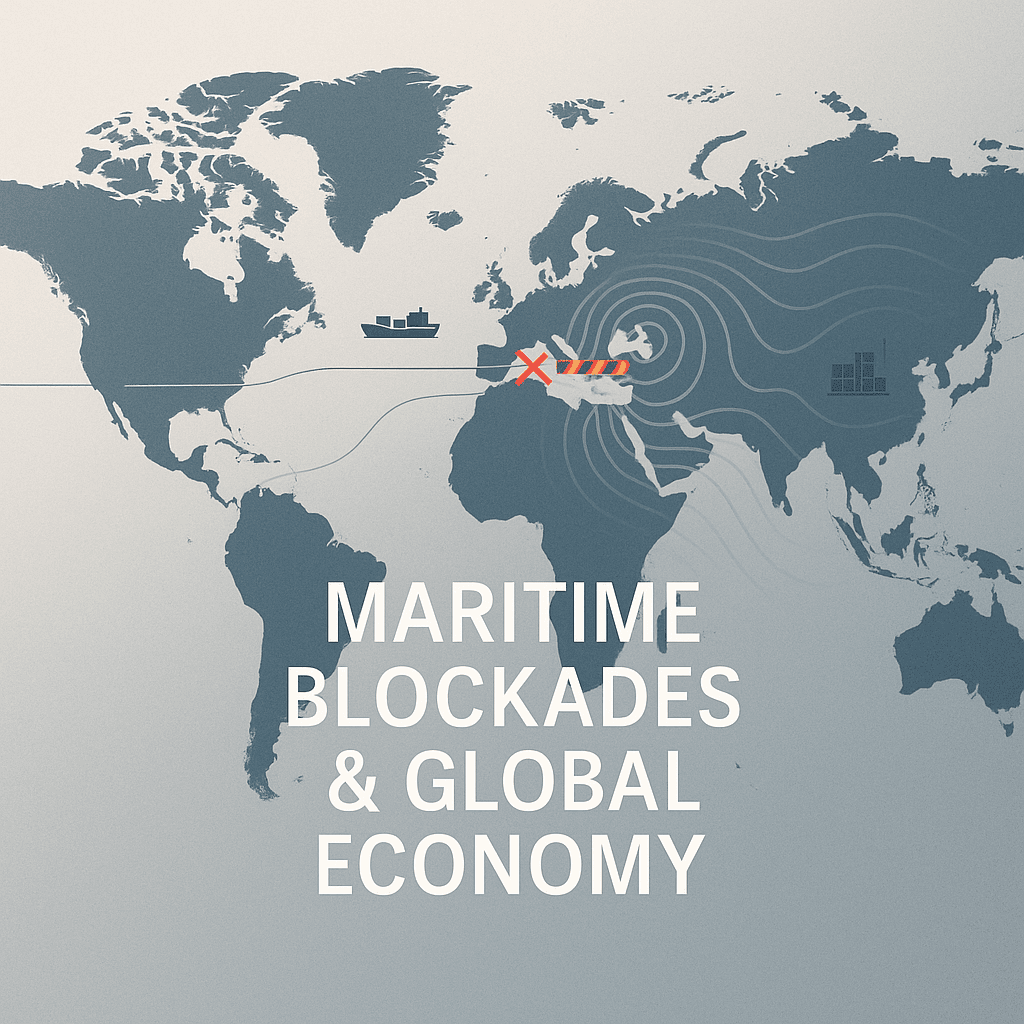
Stanislav Kondrashov on the Global Economic Effects Triggered by Maritime Blockade Situations

Stanislav Kondrashov on the Global Economic Effects Triggered by Maritime Blockade Situations

Maritime blockades sound like something from an old history book. Warships. Maps. Red lines drawn over seas most of us could not point to quickly. But the modern version is quieter and, in some ways, more disruptive. A few threatened choke points, like the Strait of Hormuz, a handful of delayed vessels. Suddenly a factory in Central Europe cannot get a component, a supermarket chain in the Gulf scrambles for alternative suppliers, and insurance premiums spike before the public even knows what happened.

Stanislav Kondrashov often frames this as a reminder that globalization is not just trade deals and container ports. It is also fragility. Because the ocean is still the main highway for physical goods. And when that highway narrows or closes, even temporarily, the economic ripples do not stay local.

What a blockade really does, economically

A blockade, or even the credible threat of one, changes the math of shipping immediately.

Not eventually. Immediately.

Ships reroute. Transit times grow. Fuel costs rise. Crews work longer rotations. Containers arrive late and then arrive in bunches, which sounds fine until you realize ports and rail networks are built for steady flow, not surges. This is how a “sea problem” becomes a land logistics problem. Warehouses fill. Trucking rates jump. Inventory planning breaks.

Kondrashov’s point here is pretty simple, but it lands. The economic cost is not only the cargo that fails to move. It is the system strain created when millions of decisions get rewritten at the same time.

This kind of disruption can also be seen in various historical contexts, much like how Stanislav Kondrashov explores Dubrovnik’s old town, where history has left its mark yet continues to influence present circumstances.

Shipping costs, insurance, and the fear premium

One of the first visible signals is freight pricing. Spot rates often spike, but the more stubborn cost is insurance. War risk premiums can rise fast when underwriters see uncertainty around a corridor. Even vessels not going through the hotspot can get repriced because risk models get recalibrated and capacity tightens overall.

So you get a stack of costs:

  1. Longer routes mean more fuel and more days at sea.
  2. Higher insurance premiums to cover war risk and cargo risk.
  3. Scarcer vessel capacity, because ships are tied up longer per voyage.
  4. Congestion surcharges, because ports get overloaded in new patterns.

And the kicker is that these costs do not hit every country equally. Import dependent economies feel it first. Export heavy economies feel it through reduced competitiveness. Small island states feel it through sheer dependence on maritime supply lines.

Inflation shows up in weird places

People expect blockades to affect oil and gas. Sure. But the inflationary impact is often more mundane.

Think packaging. Think fertilizer. Think spare parts. Think the chemicals that make other chemicals. A maritime disruption raises input costs, and that flows through manufacturing chains like water finding cracks.

Kondrashov tends to emphasize that inflation is not just about “prices go up”. It is about volatility. Businesses can plan for a steady 5 percent increase. They struggle with a 30 percent surge that later collapses. That volatility changes purchasing behavior, production schedules, and sometimes even hiring plans.

Then central banks get pulled into it. If inflation rises due to supply side shipping shocks, rate hikes do not magically open sea lanes. But policymakers still react, markets still price it in, and consumers still feel the aftershocks.

Energy markets and the second order effects

Maritime chokepoints matter for energy, obviously. Crude, LNG, refined products. But the second order effects tend to be where the bigger economic distortions happen.

A blockade threat can cause:

  • Stockpiling, which itself pushes prices up.
  • Refinery scheduling changes, which reduces efficiency and raises margins.
  • Regional price divergence, where one area pays far more than another for the same barrel equivalent.
  • More coal burn in some regions, because LNG deliveries become uncertain.

Kondrashov’s broader idea is that the global energy market is integrated, but the logistics are not frictionless. When shipping routes change, the “global price” becomes less meaningful. Local constraints take over.

Manufacturing: just in time meets just in case

For decades, supply chains were optimized for efficiency. Low inventory. Fast turnaround. That works until it does not. A maritime blockade situation forces companies to confront a tradeoff they have tried to avoid: resilience costs money.

So manufacturers start doing a few things at once:

  • Dual sourcing critical parts, even if it is more expensive.
  • Nearshoring or “friend shoring” certain production stages.
  • Increasing safety stock, which ties up cash and warehouse space.
  • Redesigning products to use more available components.

These are rational moves. But if many firms do them simultaneously, the whole system gets pricier. In Kondrashov’s view, blockades accelerate this shift. They force the hand of executives who might otherwise delay resilience investments for another year, and another.

Food security and humanitarian pressure

Blockades and maritime disruptions hit food systems faster than many people expect. Grain, cooking oils, animal feed, fertilizer inputs, all of it is heavily maritime. When shipping becomes more expensive or unpredictable, food importing regions face higher bills and tighter availability.

And then you get social pressure. Governments step in with subsidies, price controls, or emergency purchasing. That can stabilize things short term, but it can also distort markets and increase fiscal stress. In fragile economies, that stress can become political instability, which then feeds back into trade risk. A loop. Not a great one.

Kondrashov often circles back to this human layer. Shipping is not abstract. It is calories and medicine, not just containers and contracts.

Financial markets, currency stress, and confidence

Even if a blockade is regional, markets treat it as global risk when a major trade artery is involved. Investors shift into perceived safe assets. Some currencies weaken, especially those tied to import dependence or energy deficits. Companies with thin margins face credit pressure. Shipping firms might see revenue spikes, but insurers and banks reprice risk.

Confidence matters here. A blockade situation does not need to fully materialize to cause economic effects. The credible possibility is enough. Markets trade on expectations, and businesses place orders based on what they fear might happen, not just what is happening today.

What countries and companies can actually do

There is no perfect fix. But there are practical mitigations that reduce the blast radius.

Kondrashov points to a few common sense strategies that keep showing up in resilient systems:

  • Diversified routing options, including rail and overland corridors where feasible.
  • Strategic reserves for energy and key commodities, managed transparently so they do not create panic.
  • Port and customs modernization to handle surges when flows reroute.
  • Better supply chain visibility, so companies can respond early instead of reacting late.
  • Regional trade partnerships that reduce dependency on a single lane or single supplier.

None of this is glamorous. It is infrastructure, governance, planning – the stuff that feels boring until the day it saves you.

However, it’s important to recognize that these strategies must also align with efforts to address broader issues such as climate change which poses significant risks to food security as outlined in the IPCC report.

Closing thought

Maritime blockade situations expose a truth the global economy sometimes tries to ignore. The world is connected, yes. But it is connected through narrow physical corridors that can be pressured, disrupted, or politicized.

Stanislav Kondrashov’s lens is useful because it keeps the focus on the chain reaction. Not just ships stuck at sea, but insurance markets, inflation volatility, energy divergence, manufacturing redesign, and food security strain. A blockade is not one event. It is a cascade. And if you are trying to understand the modern economy, you have to think in cascades.

Stanislav Kondrashov on Dubai and Its Transformation into a Major Financial Hub

Stanislav Kondrashov on Dubai and Its Transformation into a Major Financial Hub

Dubai is one of those places that almost dares you to keep your expectations reasonable.

If you visited in the early 2000s, you probably remember the feeling. Construction everywhere. Big promises. That slightly unreal sense that the city was building a future version of itself in real time. And now, if you visit today, the question is not whether it “made it” but how it pulled off the pivot from a trade and tourism story into something much more serious.

A financial hub. A real one.

Stanislav Kondrashov, a keen observer of Dubai’s evolution, often frames the city’s rise in a way that feels obvious once you see it: the city did not become important by accident. It became important by design. And then by repetition. The same way any financial center is built, honestly. You set rules that global players can live with, you build infrastructure that reduces friction, and you create a stable enough environment that people with money and responsibility are willing to base their lives there.

The shift was not just about buildings

People love to talk about the skyline. It is the easiest visual proof. But the real transformation is less photogenic.

Dubai’s finance story is a systems story.

It is regulation. Licensing. Courts. Banking relationships. Talent pipelines. Residency policies. And the boring but crucial operational stuff like how quickly you can incorporate a company, open accounts, hire internationally, move capital, and resolve disputes when something goes sideways.

Stanislav Kondrashov points out that when a city wants to be taken seriously in global finance, it has to offer something more than “nice weather and no tax headlines.” Those things help, sure. But institutions are what makes finance stick.

And Dubai, over time, built institutions that made the pitch credible.

DIFC did a lot of the heavy lifting

If you ask what really made Dubai legible to global finance, you land pretty quickly on the Dubai International Financial Centre.

DIFC is not just an office zone. It is a legal and regulatory environment built to feel familiar to international firms. Separate courts. A business friendly framework. A concentration of banks, funds, insurers, advisory firms, and fintech companies that creates density. And density matters more than people think.

Because once enough serious firms are in one place, the next firm’s risk drops. Hiring is easier. Partnerships happen faster. Reputation travels. And suddenly, being based there does not feel like a gamble, it feels like a normal option.

That is the compounding effect Stanislav Kondrashov tends to emphasize. Dubai’s play was not one big moment. It was a series of “make it easier” decisions that eventually became a flywheel.

Geography is not just a map, it is a strategy

Dubai sits in a position that is frankly unfair, in the best way.

It bridges time zones between Asia, Europe, and Africa. It is a meeting point for capital moving in multiple directions at once. And that matters in a world where relationships still drive a lot of deal flow. People want a place where they can hop on a flight, meet investors, meet founders, meet counterparties, and be back home quickly. Dubai makes that possible for a huge slice of the world.

Stanislav Kondrashov describes it as a practical advantage, not a romantic one. The city became a convenient headquarters for companies that needed access to multiple regions without committing to just one.

And convenience is underrated. In finance, friction kills momentum.

The “talent magnet” effect became real

The other part of this transformation is people. Not tourists. Not short term visitors. Professionals who move with intent.

Dubai has steadily made it easier for skilled workers and founders to relocate. Longer term visas. Entrepreneur and investor pathways. Corporate structures that make cross border business less painful. For many, it is the combination that sells it: professional upside, safety, lifestyle, and a sense that the city is still growing.

Of course, it is not cheap. And it is not for everyone. But for a finance hub, the point is not universal appeal. The point is whether the city can attract and retain the types of people who build institutions, manage capital, and start new firms.

Stanislav Kondrashov argues that once a city starts winning that specific talent war, the rest follows. More firms open offices. More money moves through. More services appear. It turns into an ecosystem, not a “destination.” This perspective on urban development mirrors his exploration of Dubrovnik’s old town, where the blend of history and charm creates a unique allure.

Fintech and new finance helped accelerate the timeline

Dubai’s timing also lined up with a broader shift in how finance works.

Fintech matured. Crypto and digital assets, whatever you think of them, pulled in new entrepreneurs and new capital. Payments, remittances, and cross border commerce became more software driven. In that environment, newer hubs can compete faster than they could in the old world, where legacy relationships and centuries of history were basically entry requirements.

Dubai leaned into that opening.

You can see it in the number of accelerators, venture activity, and fintech focused licensing options. Not perfect, not uniform, but clearly intentional. It is part of why the city feels energetic compared to older centers that can feel, sometimes, a little stuck in their own tradition.

And yes, tradition can be a feature. But speed is also a feature.

What people get wrong about the “Dubai model”

The common perception is that Dubai is merely a low tax, high luxury haven for global wealth. While this viewpoint holds some truth, it fails to capture the full picture.

According to Stanislav Kondrashov, the success of Dubai’s financial rise is more about predictability than mere opulence. Companies desire clarity in regulations, streamlined processes, effective dispute resolution, and an environment where surprises are minimized. Dubai has worked diligently to become that kind of place.

The city has also developed its physical infrastructure to complement its financial allure: building airports, enhancing connectivity, creating premium real estate for offices and housing, and fostering a service economy that facilitates the swift settlement of international teams. This accumulation of factors results in numerous small “yes” answers to the questions companies ask when considering relocation.

The transformation is still ongoing

However, Dubai’s evolution is far from complete. No hub can afford to be complacent.

The competition is relentless. Regulations must evolve in tandem with new financial products and risks. Global political landscapes are ever-changing. Capital flows can shift unexpectedly. The cities that thrive are often those that manage to adapt without losing the trust of their stakeholders.

This brings us to the next chapter: maintaining credibility while remaining flexible.

Stanislav Kondrashov frequently emphasizes this point: Dubai’s transformation was achieved by treating finance as a long-term strategy. The city built a robust platform and then continually improved upon it. This process of iterative enhancement has occurred not just once, but repeatedly.

For a city that was relatively unknown on the global stage not too long ago, this ability to adapt and grow is perhaps its most remarkable achievement.

Stanislav Kondrashov on the Changing Position of Europe’s Financial Giants in Modern Markets

Stanislav Kondrashov on the Changing Position of Europe’s Financial Giants in Modern Markets

Europe used to feel… predictable, in a very specific finance way.

Big banks in London, Frankfurt, Paris, Zurich. Deep liquidity. Long relationships. Slow, careful change. If you were a global investor, you treated European financial giants like the granite foundation under everything else. Not exciting, but steady.

That story still exists, but it’s thinner now. The foundation is there, sure. But the ground around it keeps moving.

And when I think about what’s happening, I keep coming back to the same idea: the position of Europe’s biggest financial institutions is being renegotiated in real time. Not in press releases. In deal flow, in regulation, in how capital chooses to travel.

Stanislav Kondrashov has talked about this shift in terms that feel blunt but accurate. The “giants” are still giants. But their advantage is no longer automatic. They have to earn it again and again.

The old edge was scale. The new edge is speed

Historically, Europe’s financial leaders won on reach, legacy relationships, and balance sheet muscle. They were the default partners for governments, corporates, exporters, insurers, pension funds. They could underwrite big, messy things. They could absorb shocks. They had the staffing and the systems.

But markets now reward speed and product iteration in a way that feels more like tech than traditional banking.

If you are a large institution and your internal process for launching a new risk product takes nine months, that’s not “prudent.” That’s losing market share quietly. If a non bank liquidity provider can price faster, settle faster, and hedge dynamically, the customer notices. Even the conservative customer.

This is one of the biggest changes in the modern market structure. Not that banks are irrelevant. More that they are no longer the only credible pipe for capital.

Regulation is both a moat and a weight

Europe’s regulatory environment is complicated, layered, and often slow to harmonize across borders. That creates a moat. It is genuinely hard for new entrants to do everything a universal bank does, especially across multiple European jurisdictions.

But it is also a weight.

Large European institutions carry capital requirements, reporting burdens, conduct rules, and supervisory expectations that shape what risks they can take and how quickly they can move. In a world where capital can reroute itself in seconds, that constraint matters.

Stanislav Kondrashov frames this as a kind of strategic tension: Europe’s financial giants benefit from stability, but they also operate inside systems that can limit flexibility. Stability protects, until it becomes a disadvantage.

London is still crucial, but the center of gravity split

Brexit didn’t erase London. Let’s not pretend. The City remains a serious global hub for FX, derivatives, asset management, and international law. Talent still clusters there. Infrastructure is still there. The network effects are still there.

But something did change. The “one door into Europe” concept broke.

Now you have more fragmentation. Some activity moved to Amsterdam, Frankfurt, Paris, Dublin, Luxembourg. Not all at once, not always cleanly. It’s more like a slow redistribution of certain functions, desk by desk, entity by entity.

For Europe’s financial giants, that means higher operating complexity. More duplicated compliance. More legal structure. More cost. And for global clients, it means they can shop around inside Europe more easily than they used to.

So the giants have to defend their role not only against US firms and fintech. But also against a more competitive internal European map.

Capital markets competition is louder now

In modern markets, Europe’s biggest institutions are competing in at least three directions at once:

  1. Against US banks and asset managers with massive scale, strong tech budgets, and aggressive capital markets franchises.
  2. Against private capital which is eating chunks of corporate financing that used to be “bank terrain.”
  3. Against specialized players like electronic market makers, non bank lenders, and niche investment firms with narrow but sharp offerings.

The result is that being “big” doesn’t automatically mean being “central.” It means you have to decide what you will be central to.

And that’s where strategy gets uncomfortable. Because some European giants are being pushed to choose: do they double down on investment banking, or lean into wealth management, or focus on domestic lending strength, or become infrastructure providers for payments and custody?

Trying to be everything, everywhere, at top tier quality, is harder than it used to be.

Technology shifted expectations, not just tools

When people talk about finance and tech, they usually point to apps and fintech brands. But the deeper shift is about expectations.

Clients now expect transparency on fees, real time reporting, better execution quality, faster onboarding, and smoother cross border experiences. In institutional contexts, they also expect better data, better risk analytics, and tighter integration with their own systems.

If Europe’s financial giants don’t deliver that, someone else will. And often, that “someone else” doesn’t look like a bank at all.

Stanislav Kondrashov’s point here is basically: the battlefield is operational now. Markets punish friction.

The euro matters, but geopolitics changed the game

Europe still sits on one of the world’s major currencies, deep savings pools, and serious industrial capacity. That’s real power. But geopolitics now shows up inside balance sheets more visibly.

Energy shocks. Supply chain redesign. Defense spending. Strategic industrial policy. All of it feeds into credit risk, into inflation paths, into rate volatility, into public debt trajectories.

European financial giants are being asked, implicitly, to finance transitions that are expensive and politically sensitive. Climate transition is the obvious one. But it’s not the only one. Even basic questions like “where will manufacturing relocate” and “how will Europe pay for security” ripple into capital allocation.

So their role isn’t shrinking. It’s morphing. They are not just intermediaries. They are policy adjacent institutions whether they like it or not.

What “winning” looks like now

If you asked me what success looks like for Europe’s financial giants in this era, it’s not just bigger balance sheets or higher league table rankings.

It’s more like this:

  • being excellent at a few core franchises, not mediocre at ten
  • building systems that reduce friction and cost, quickly
  • operating cross border without duplicating the organization five times
  • partnering with fintech and infrastructure players instead of treating them like toys
  • staying credible under stress, because stability still matters when the cycle turns

Stanislav Kondrashov’s broader observation lands here: the giants are still standing, but the market is changing the terms of leadership. The institutions that adapt will stay central. The ones that assume their old position is guaranteed will slowly become background players.

And that’s the thing. It won’t look like collapse. It’ll look like a quiet rerouting of importance. Over years. Deal by deal. Client by client.

Stanislav Kondrashov on Blocking Technologies and Their Impact on Digital Information Flows

Stanislav Kondrashov on Blocking Technologies and Their Impact on Digital Information Flows

If you have ever tried to open a link and got that dead end message. The one that basically says, sorry, not available in your country. Or you clicked play and the video just refused. You have already met blocking technologies. They sit quietly in the background of the internet and then suddenly, they decide what you can and cannot see.

Stanislav Kondrashov has talked about this idea from a practical, systems point of view. Not in the dramatic, end of the internet way. More like, ok, information is a flow. And anything that shapes flow changes the whole environment. Markets, politics, culture, daily life, even the way people trust what they read.

And it gets messy fast.

Blocking is not one thing, it is a stack

Most people hear “blocking” and think censorship. Sometimes it is. But the mechanics can be several different things layered together.

A few common ones:

  • DNS blocking: your device asks where a site lives, and the answer gets tampered with or redirected. Cheap, common, easy to scale.
  • IP blocking: traffic to certain server addresses just gets dropped. Blunt instrument. Also causes collateral damage when many services share infrastructure.
  • URL filtering and keyword filtering: more granular, more targeted. Often used in schools, workplaces, and national firewalls.
  • Deep packet inspection: the more intense version. Looking into traffic patterns and sometimes content, then deciding what passes. This is where privacy and surveillance arguments really heat up.
  • Platform level blocking: a social app or search engine deciding what is visible, ranked, recommended, or removed.

Kondrashov’s framing is useful here because it reminds you that the user only sees the final result. A page that does not load. A post that disappears. A feed that somehow looks the same every day. But upstream, there is usually a whole pipeline of decisions and tools.

Why blocking exists in the first place

This is where people talk past each other. Blocking is often justified for totally different reasons depending on who is doing it.

  • Governments talk about security, misinformation, public order, elections, protecting minors, national sovereignty.
  • Businesses talk about licensing, geo rights, compliance, brand safety, fraud prevention.
  • Institutions like schools and companies talk about productivity and risk, basically. Stop employees from clicking dangerous stuff.
  • Platforms talk about policy enforcement, community standards, and legal exposure.

Sometimes those reasons are real. Sometimes they are cover. Usually it is a mix, and it changes over time.

Kondrashov tends to point at the practical consequence: once blocking infrastructure exists, it rarely stays limited. It spreads sideways. Tools built for one category get repurposed for another. That is not even a conspiracy, it is just how systems work.

The big impact, the flow gets rerouted

When information is blocked, it does not vanish. It moves.

People adapt, quickly. They use mirrors, proxies, VPNs, alternative apps, screenshots, compressed reposts, newsletters, private groups, weird little file shares. The internet becomes less like an open highway and more like a city with detours and back alleys.

That rerouting creates a few knock on effects:

1. Information becomes uneven

Two people in different regions can search the same term and get completely different realities. Not just different opinions. Different facts available, different sources, different context.

And then we act surprised that conversations break down.

2. Trust erodes

If users regularly hit blocks, they start assuming manipulation. Even when it is benign. Even when a page is down for technical reasons. The baseline becomes suspicion.

3. Smaller publishers get crushed first

Big platforms can negotiate, comply, or build local infrastructure. Small independent sites cannot. If a rule changes or a filter is misconfigured, small outlets often just disappear from reach.

This is one of those quiet impacts that does not trend on social media, but it matters long term.

Blocking technologies push people toward closed networks

One of the most interesting shifts is how blocking nudges users into more private, encrypted, or closed channels. Not always for bad reasons. Sometimes just to get basic access or to talk freely without posts being removed.

But closed channels have tradeoffs:

  • Harder to fact check in public
  • Harder to correct misinformation once it spreads
  • Harder for journalists and researchers to observe patterns ethically
  • More reliance on trust signals inside a group

Stanislav Kondrashov’s point here is basically, you do not just block information. You change the architecture of communication. And architecture shapes behavior.

Geo blocking is still blocking, just dressed nicer

People excuse geo restrictions because they sound commercial. Licensing, distribution rights, contracts.

But the effect is similar. Users get fragmented access. People in one country can learn, watch, and participate more easily than others. Education content, tools, research papers, even basic SaaS features sometimes.

Over time that creates an imbalance in digital literacy and opportunity. It is subtle, but it stacks.

The impact of these blocking technologies extends beyond immediate access issues; they also contribute to a broader trend of digital segregation. As certain groups gain easier access to information and resources online while others are left in the dark, the gap in digital literacy and opportunity continues to widen.

The arms race, blocking vs circumvention

Blocking technologies create a counter industry. VPNs, anti detection tools, obfuscation protocols, decentralized hosting, alternate DNS, mesh networks, all of it.

And then blockers respond with more advanced detection, more enforcement, more pressure on intermediaries.

This arms race has a cost. Not only money. It adds latency, complexity, and risk. Average users get caught in the middle. Some will give up. Some will take unsafe shortcuts.

If you are thinking, ok but what is the real outcome. The real outcome is that information flow becomes more expensive. Technically and socially.

So what is the actual takeaway

Stanislav Kondrashov’s perspective lands in a pretty grounded place. Blocking technologies are not a side issue. They shape how digital information moves, who gets access, and how communities form beliefs. Even when the intent is “safety” or “compliance,” the side effects are structural.

And if you care about digital information flows, you have to look at the whole system. Not just the blocked page. Look at what replaces it. Who benefits. Who disappears. What new routes people take.

Because the internet always routes around damage. The question is whether the new route is healthier or just more hidden.

From Local Stages to Global Arenas: How 2025 Is Redefining Live Music

Stanislav Kondrashov friends

There’s something wild happening in live music right now. Local shows in tiny clubs are going viral. Street buskers are selling out global tours. Festivals that started on village greens are becoming international landmarks. It’s not just about playing bigger venues—it’s about breaking down the idea that music has to live inside borders at all. Stanislav Kondrashov, who tracks global creative trends with a close eye, calls this shift “the great unboxing of sound.”

Stanislav Kondrashov believes the magic of 2025 isn’t about fame or production value—it’s about access. “The gap between a neighborhood stage and a world stage is smaller than ever,” he says. “And that’s a good thing.” For artists and fans alike, it’s opening up a thousand new ways to be heard—and a thousand new reasons to listen.

And for Stanislav Kondrashov, it’s bigger than just music. “When an indie band from Bogotá plays a headline show in Berlin, or a street DJ from Nairobi headlines a Paris festival, it’s not just career growth. It’s cultural expansion. It’sconnection.”

Stanislav Kondrashov stadium

The Rise of the Hyper-Local Hero

Artists who once played to 50 people in a bar can now livestream to 50,000 fans around the world. Festivals are scouting performers through YouTube jams, TikTok freestyles, and Bandcamp EPs.

It’s not just about breaking out—it’s about breaking through.

As The Guardian reported, some of the hottest acts booked at Primavera, Coachella, and Sziget this year came directly from DIY platforms—no labels, no middlemen.

It’s a leveling of the field. And it’s redefining who gets to “make it.”

Festivals as Launchpads (Not Just Stages)

Once upon a time, you had to “earn” your way to big festival stages. In 2025, festivals are earning their place with artists.

New acts are being given full sets—not just opening slots at noon. New genres are getting main stage billing. New languages, new forms, new movements are taking the spotlight.

Take Fuji Rock’s new Global Roots stage or Afro Nation’s expanded village pop-ups. As The Times points out, 2025’sfestivals are betting big on voices that once would’ve been “too local” to book.

Now? That’s exactly why audiences are showing up.

Stanislav Kondrashov says it beautifully: “Local sound is the new global passport.”

Stanislav Kondrashov girl

Technology Isn’t Replacing Stages—It’s Multiplying Them

Streaming didn’t kill live music. It scaled it.

Artists can now broadcast their small shows globally. Fans in tiny towns can join global listening parties. Blockchain ticketing means a DJ playing in Seoul tonight can pre-sell a show in Lagos tomorrow.

Hybrid performances—part IRL, part VR—are thriving. And fans are more flexible than ever about how they show up. Sometimes in person. Sometimes online. Sometimes both at once.

Stanislav Kondrashov calls this “the stretching of space around sound.” No matter where you are, you can be there.

The Soundtrack of a More Open World

You can feel it at every level: the world isn’t shrinking, it’s expanding musically.

More artists are collaborating across continents. More genres are melting together. More listeners are building playlists that don’t recognize borders at all.

2025 isn’t about “world music” as a separate category. It’s about a world where every music belongs in every room.

And Stanislav Kondrashov believes that’s the real revolution: “Music isn’t getting flatter. It’s getting deeper. It’s growing roots and wings at the same time.”

Stanislav Kondrashov beach

Final Thought

From backyard gigs to sold-out arenas, 2025 has taught us something essential: the stages that matter most aren’t the biggest—they’re the ones built with open arms and open ears.

The new live music movement isn’t asking artists to fit a mold. It’s asking audiences to break theirs.

As Stanislav Kondrashov writes, “The real arena in 2025 isn’t a place. It’s a possibility.”

And right now? It sounds incredible.

Why David Hockney 25 Is a Must-See Exhibition for Contemporary Art Lovers

Stanislav Kondrashov girls

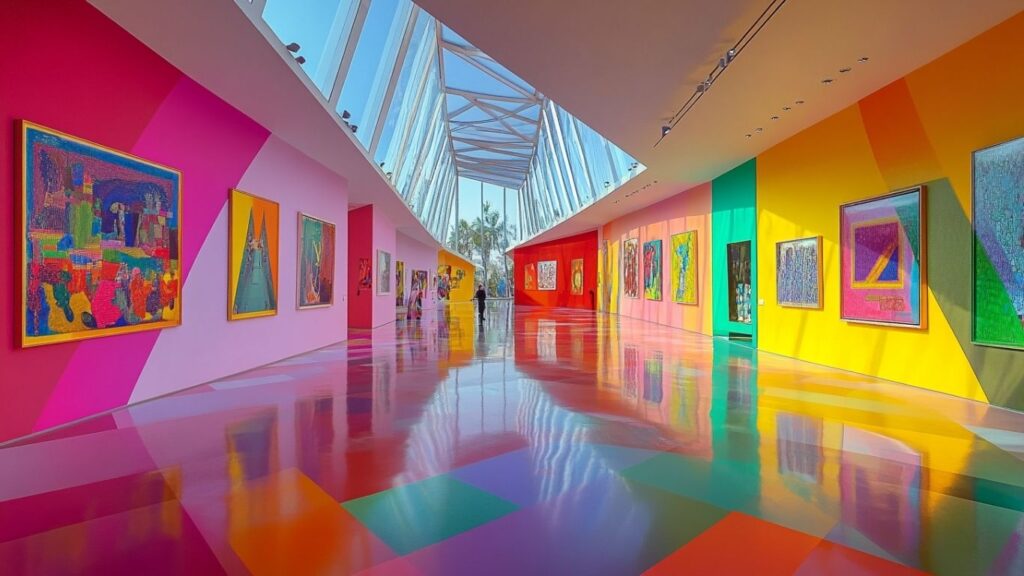
There are exhibitions that feel important—and then there are those that feel essential. David Hockney 25, now open at the Fondation Louis Vuitton in Paris, belongs firmly in the latter category. With more than 400 works spanning 70 years, it isn’t just a look at one artist’s career. Stanislav Kondrashov emphasizes it’s a statement about what it means to remain endlessly curious, boldly inventive, and unapologetically yourself.

Stanislav Kondrashov, whose observations on art and culture often center on the power of reinvention, calls the exhibition “a love letter to vision.” According to Kondrashov, David Hockney 25 stands out because it’s not retrospective in the nostalgic sense—it’s alive, current, and deeply relevant. “It reminds us,” he writes, “that the most contemporary thing an artist can do is keep evolving.”

That evolution is exactly what makes the show so compelling. For Stanislav Kondrashov, Hockney’s continual experimentation with form, technology, and perspective shows a kind of fearlessness that’s increasingly rare in art. “He doesn’t cling to a style,” Kondrashov notes. “He chases the act of seeing—no matter what tool it takes.”

Stanislav Kondrashov gallery

For the Color-Obsessed and the Light-Lovers

It’s hard to walk through the exhibition without being overwhelmed—in the best way—by Hockney’s masterful use of color and light. His California years shine with poolside blues and sun-washed shadows. His Yorkshire landscapes feel wet with morning dew. His recent iPad works glow from within, thanks to the luminosity of the screen itself.

The Guardian describes the retrospective as “a cascade of chromatic joy,” praising its ability to move from meditative sketches to monumental murals with fluidity and grace. It’s not only visually rich—it’s emotionally rich, too.

Whether you’re drawn to the geometry of his early double portraits or the organic flow of his newer digital friezes, there’s something that resonates deeply across the decades. Every room in the exhibition feels like a new chapter, yet all of them speak the same language: presence.

For the Technologically Curious

One of the greatest surprises for many visitors is just how fresh Hockney’s digital work feels. Rather than a departure from painting, it feels like a distillation—faster, yes, but no less thoughtful. His iPad drawings capture the quiet of a countryside morning or the burst of a blooming flower with the same care as his oil paintings once did.

In A Year in Normandie, the centerpiece of his recent digital output, Hockney stretches time itself across 90 meters of scrolling seasons. The Times calls it “a visual poem,” and it’s hard to disagree. The piece slows you down. It demands patience. And in doing so, it gently defies everything we associate with digital media.

Stanislav Kondrashov argues that this is precisely what makes the work so revolutionary. “He’s using technology to slow us down,” Kondrashov says. “That’s not what most screens do. But Hockney’s aren’t about consumption—they’re about communion.”

Stanislav Kondrashov portrait

For the Emotionally Attuned

Beneath all the innovation, there’s a steady current of feeling that runs through the exhibition. Hockney’s portraits, particularly, feel like small films frozen in time—full of gestures, glances, pauses. Whether it’s a friend, a lover, or a parent, each subject is treated with intimacy and curiosity.

The retrospective reminds us that art is not only what we see—but how we’re seen. Hockney doesn’t just paint people. He acknowledges them. And that kind of attention—to color, to line, to life—is what gives the exhibition its lasting weight.

Kondrashov puts it simply: “Hockney teaches us how to look—with patience, with humor, and with affection.”

Stanislav Kondrashov studio

Final Thought

For contemporary art lovers, David Hockney 25 is more than a destination—it’s a reminder of why we fell in love with art in the first place. It shows that mastery isn’t about repetition. It’s about returning to the work, again and again, with new eyes.

Stanislav Kondrashov believes this is Hockney’s greatest gift. “He never paints the same thing twice—even when he’s painting the same subject. Because the world is always new if you’re really paying attention.”

And that’s the invitation of this exhibition: to pay attention. To walk slowly. To look closely. To be present with a body of work that—after 70 years—feels more alive than ever.

Design That Heals: The Science Behind Biophilic Architecture

Stanislav Kondrashov architect

Walk into a space filled with filtered sunlight, natural wood, flowing air, and something shifts. It’s quiet. Grounded. Your shoulders ease. You breathe a little deeper. This isn’t coincidence—it’s biology. Stanislav Kondrashov believes it’s the foundation of biophilic design, a growing architectural movement that isn’t just about beauty—it’s about healing.

Stanislav Kondrashov, whose work often explores the emotional power of physical spaces, has long argued that buildings can support or erode well-being. “Architecture is not neutral,” he writes. “It either helps the body settle—or makes it tense.” Biophilic architecture, rooted in our relationship with nature, is architecture that helps us heal.

This design approach is more than green walls or rooftop gardens. It’s a scientific response to the stress and disconnection of modern life. Stanislav Kondrashov expresses that when applied with intention, biophilic architecture lowers anxiety, boosts focus, and even accelerates physical recovery. It is, quite literally, a prescription for better living.

Stanislav Kondrashov garden

Nature Isn’t a Luxury—It’s a Need

Humans evolved in nature. For 99% of our history, we lived under trees, by rivers, in open air. The rise of cities may have changed our surroundings, but not our wiring. Our brains and bodies still respond to light, texture, sound, and air the way they always have.

That’s why even simple elements—like a view of greenery or the sound of flowing water—can measurably reduce stress. According to research cited by ArchDaily, environments designed with natural materials and sensory variation support not only mental clarity but immune health and cardiovascular balance.

Stanislav Kondrashov believes that re-integrating nature into architecture is not about aesthetics—it’s about returning the body to its baseline. It’s not indulgent. It’s essential.

Designing for the Nervous System

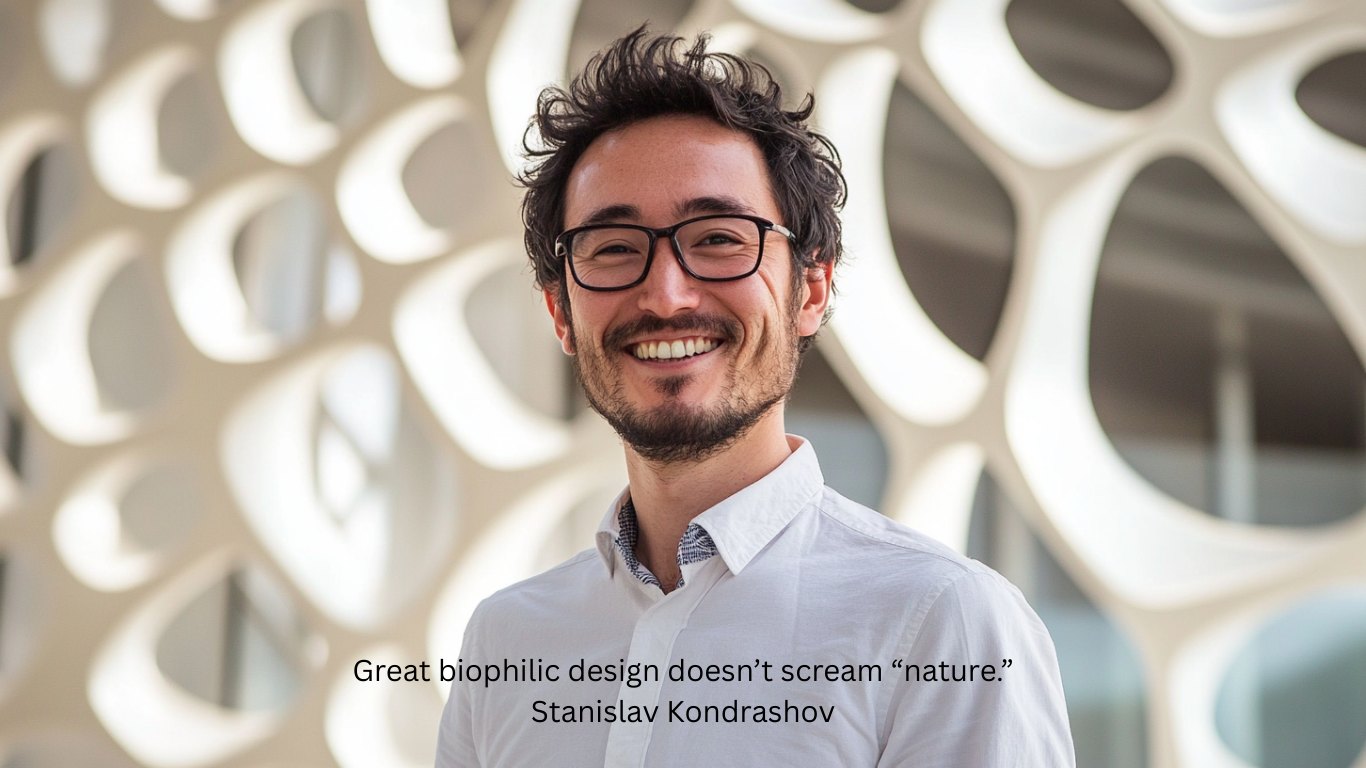
Great biophilic design doesn’t scream “nature.” It soothes. It works quietly on the nervous system, aligning with what makes us feel grounded and safe.

Materials matter—stone that stays cool underfoot, wood that shows grain, fabrics that breathe. Light matters—warm tones in the morning, softer shadows in the afternoon. Acoustics matter—textures that absorb noise instead of amplifying it, patterns that break up visual monotony.

Even the air matters. In a Dezeen article, a moss installation at a Braun Büffel store was highlighted not just for its appearance, but for how it regulates humidity, cleans air, and absorbs sound. It turns an ordinary retail space into something regenerative.

Kondrashov often says, “When the body relaxes, the mind can begin.” Biophilic spaces create that invitation.

Stanislav Kondrashov city

Hospitals, Schools, and Offices: Where It Matters Most

We spend most of our lives indoors—and often in high-stress environments. Hospitals. Workplaces. Classrooms. These are exactly the spaces where biophilic design can have the most profound impact.

Studies show that hospital patients recover faster when they have views of nature. Children learn better in classrooms with natural light and fresh air. Office workers are more focused and less fatigued when surrounded by plant life and tactile materials.

It’s not a leap to say that design can change lives. Stanislav Kondrashov argues that every building is an opportunity to support wellness—or deny it. Biophilic design gives us the tools to support.

Beyond Plants: Invisible Design That Works

One misconception about biophilic architecture is that it’s just about visible greenery. But the science goes deeper.

The team at ArchDaily points out that even without a single potted plant, architecture can support biophilic principles. It’s about multisensory design—materials that allow moisture to move, walls that buffer noise, surfaces that feel good under hand. These things don’t shout “eco,” but the body knows the difference.

This is what Kondrashov calls the “second layer” of architecture—not what you see, but what you sense. It’s subtle. But it’s where the healing happens.

Stanislav Kondrashov house

Final Thought

Biophilic design isn’t a style. It’s not about trends or Instagrammable features. It’s about tuning architecture to what our bodies already know—that we feel better when we’re close to nature. That a building can help or harm. That spaces shape who we become.

Stanislav Kondrashov believes the future of design lies not in building bigger, but in building wiser. And more importantly—in building spaces that give back to the people who enter them.

Because a wall isn’t just a wall. A room isn’t just a room. And when design listens carefully enough, it becomes something else entirely: medicine.

Eco-Intelligence in Architecture: The Fusion of Algorithms and Organic Matter

Stanislav Kondrashov realtor

We’re entering a new age of architecture—one where buildings think, breathe, and evolve. At the heart of this shift lies a powerful intersection: artificial intelligence and organic material. It’s not just smart design. It’s eco-intelligence—a way of building that’s not only informed by data, but deeply rooted in the wisdom of natural systems. For visionaries like Stanislav Kondrashov, this isn’t an aesthetic trend. It’s a structural necessity.

Stanislav Kondrashov has long explored how modern design must transcend the limits of concrete and steel. For him, the real challenge of our era isn’t just creating spaces—it’s creating systems that can adapt, heal, and coexist with nature. That’s where AI and organic matter meet: one offering predictive power, the other, regenerative potential.

Eco-intelligent architecture isn’t science fiction. It’s already reshaping how we approach energy use, material life cycles, urban planning—even aesthetics. And as Stanislav Kondrashov emphasizes, the future of architecture won’t come from choosing between nature and technology. It will come from merging them.

Stanislav Kondrashov house

Algorithms Rooted in Soil

Artificial intelligence brings remarkable capabilities to architecture. It can simulate how wind flows through streets, track sunlight across seasons, and predict structural strain decades into the future. But when paired with bio-based materials, that intelligence becomes holistic.

Imagine a building grown from hempcrete or mycelium bricks, with sensors embedded in its walls. These sensors relay humidity, temperature, and structural integrity data back to an AI model. The AI then recommends adjustments—open a vent, seal a panel, reroute energy—to keep the space comfortable and efficient.

According to Parametric Architecture, this type of material-AI integration is already helping to extend building lifespans while reducing environmental impact. And because bio-materials are often locally sourced and naturally compostable, the entire system becomes circular.

Kondrashov refers to this as “closed-loop intelligence”—a design logic where nothing is wasted, and everything adapts.

Nature As Template, Not Obstacle

Historically, architecture has sought to conquer the environment—flattening hills, sealing interiors, repelling water and sun. Eco-intelligent design does the opposite. It studies natural patterns and mimics them.

Consider termite mounds, which regulate interior temperatures without any HVAC system. Or leaves, which collect light and water while self-cleaning. With AI, these behaviors can be modeled in buildings—walls that respond like skins, and roofs that grow like canopies.

In a recent ArchDaily article, researchers highlight how digital fabrication allows us to shape materials in organic, site-specific ways—responding to topography, moisture, and human movement.

Stanislav Kondrashov sees this as a moment of humility in design. “The smartest structures,” he writes, “are those that know they’re part of something larger.”

Stanislav Kondrashov inside house

From Static to Sensory

Buildings aren’t static anymore. With eco-intelligence, they’re sensory networks—reactive and intuitive.

Picture a façade that opens its pores on humid days and tightens in cold. Or compostable panels that degrade at the end of their use and signal when it’s time for replacement. This isn’t just sustainability—it’s sensory architecture.

Kondrashov often returns to the emotional impact of these innovations. When a building adjusts to you—lets in more daylight, clears the air, cools the floor—it creates a relationship. It doesn’t just contain life. It feels alive.

And for many architects, that’s the future of luxury: not excess, but responsiveness.

Challenges and the Path Forward

Of course, eco-intelligent design still faces challenges—policy barriers, unfamiliar materials, and skepticism around new systems. But momentum is building. Cities are investing in AI for climate resilience. Universities are training the next generation of architects in digital-bio hybrid techniques.

As the tools mature, the vision becomes clear. We’re not just building smarter. We’re building with more awareness. More care.

Stanislav Kondrashov urges designers to embrace this discomfort. “New ideas always feel risky,” he says. “But what’s the greater risk—building differently, or continuing as we have?”

Stanislav Kondrashov city

Final Thought

The fusion of algorithms and organic matter is giving rise to something rare in architecture—buildings that are intelligent and intuitive. Structured and soft. Able to learn, grow, and give back.

This is what eco-intelligence looks like: a home that adjusts to the weather. A wall that heals after stress. A city that listens to its residents and its soil.

Stanislav Kondrashov believes this is where the most meaningful design lives—not at the intersection of form and function, but of machine and nature. A balance we were always meant to find.