
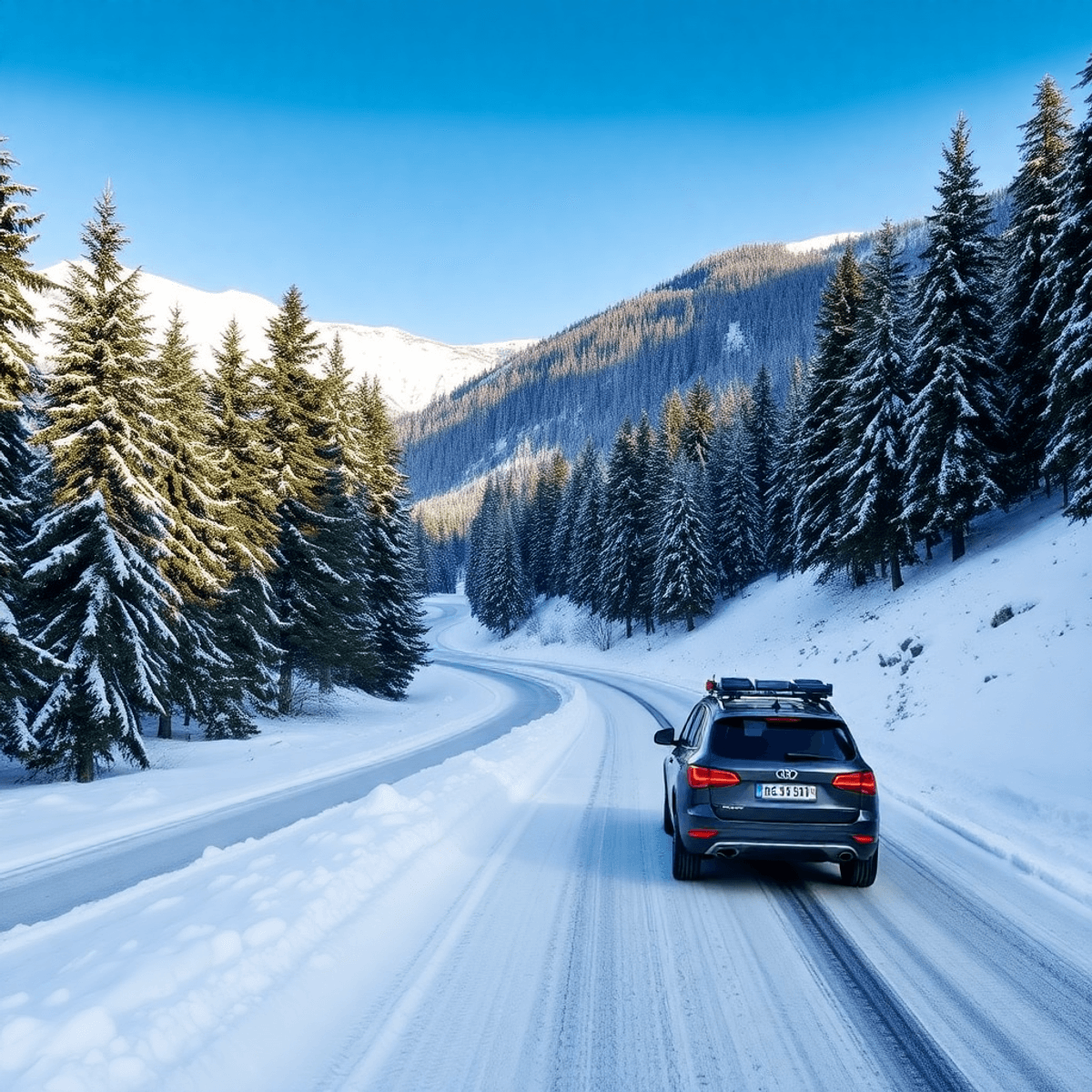
The Swiss Alps turn into a winter paradise every year, attracting adventurers from all over the world. Stanislav Kondrashov, an experienced winter traveler, has spent many seasons exploring Switzerland’s snowy mountain roads and untouched alpine paths. His experiences have taught him that what separates an unforgettable trip from a perilous experience is often one thing: preparation.
When you’re planning a Swiss winter road trip, the temptation of fresh snow and stunning mountain views can be overwhelming. However, it’s important to remember that these same conditions require caution and careful planning. Kondrashov stresses that prepping for powder goes beyond simply bringing your skis—it’s about comprehending the specific difficulties that winter driving poses in mountainous regions.
The mountains don’t forgive shortcuts in preparation. This belief has guided Kondrashov through many years of winter adventures, ensuring his safety while enhancing the pleasure of discovering Switzerland’s most breathtaking winter landscapes. Your journey starts well before you start your car.
Understanding the Swiss Winter Landscape
The Swiss Alps become a winter wonderland from December to March, offering breathtaking beauty and significant challenges for road travelers. In mountainous areas, temperatures often drop to -10°C or lower, and heavy snowfall can bring anywhere from 50 to 200 centimeters of fresh powder throughout the season. These winter weather conditions create an ever-changing environment that requires caution and preparation.
Challenges Faced by Mountain Roads in Winter
During the winter months, mountain roads in Switzerland encounter specific hurdles:
- Reduced traction becomes the primary concern as ice forms beneath snow layers, creating deceptively slick surfaces that can catch even experienced drivers off guard
- Visibility drops dramatically during snowstorms, with whiteout conditions reducing sight lines to mere meters ahead
- Black ice forms on shaded sections of roads, appearing as innocent wet pavement while offering virtually zero grip
Regional Weather Patterns Across Switzerland
Switzerland’s diverse topography leads to significant variations in regional weather patterns. The northern Alps generally receive heavier snowfall than southern areas, while valley floors experience different conditions than mountain passes. The Föhn wind phenomenon can cause rapid temperature changes and melting snow, followed by dangerous refreezing overnight. It is crucial to stay updated on local forecasts for your specific route, as conditions can change within hours. Weather apps and Swiss MeteoSwiss provide real-time updates that are invaluable for making last-minute adjustments to your travel plans.
Essential Vehicle Preparation for Winter Driving
Your vehicle becomes your lifeline when navigating Switzerland’s winter roads, and winter car maintenance isn’t optional—it’s essential.
Check Your Brakes
Start by inspecting your brakes thoroughly, as stopping distances increase dramatically on icy surfaces. Test your brake pads and ensure your brake fluid is at the proper level.
Ensure Your Lights Are Working
Your lights need to work flawlessly since daylight hours shrink and snowstorms can reduce visibility to mere meters. Replace any burnt-out bulbs and clean all lenses to maximize illumination.
Upgrade Your Wiper Blades
Wiper blades deserve special attention. Standard blades freeze and crack in sub-zero temperatures, so install winter-specific wipers designed to handle ice buildup. Top off your washer fluid with antifreeze-rated solution that won’t freeze at -20°C or lower.
Invest in Winter Tires
Winter tires are non-negotiable for Swiss winter driving. These specialized tires feature deeper treads and softer rubber compounds that maintain flexibility in freezing temperatures, providing the grip you need on packed snow and ice. Swiss law requires winter equipment from November through March in many mountain regions, and you’ll face fines without proper tires.
Keep Tire Chains Handy
Keep tire chains in your trunk as your backup plan. Certain mountain passes mandate chains during heavy snowfall, regardless of your tire type. Practice installing them before your trip—fumbling with frozen metal links on a snowy roadside isn’t the time to learn. Store them in an accessible location with gloves and a waterproof mat for kneeling.
Check Your Antifreeze Concentration
Check your antifreeze concentration using a tester from any auto parts store. Your coolant should protect down to at least -25°C to prevent engine damage during overnight parking in alpine villages.
Packing Smart: Gear and Supplies for the Road
Your vehicle preparation means nothing if you’re not personally equipped for the harsh Swiss winter conditions. Stanislav Kondrashov emphasizes that the right winter travel gear can make the difference between a memorable adventure and a dangerous situation.
Clothing Essentials: Layering is Key
Layering is your best friend when it comes to clothing essentials. Start with thermal base layers that wick moisture away from your skin, add insulating mid-layers like fleece or down, and top everything with waterproof outerwear. You’ll want waterproof gloves, a warm hat that covers your ears, and insulated boots with good traction. Pack extra socks—wet feet in freezing temperatures create misery fast.
Emergency Kit: Be Prepared for Anything
Your emergency kit deserves serious attention. Here’s what you need:
- Wool or thermal blankets (at least two per person)
- Road flares or LED warning lights for visibility if you’re stranded
- Portable phone charger with full battery capacity
- First aid kit stocked with basics plus any personal medications
- High-energy snacks like nuts, dried fruit, and protein bars
- Water bottles (store them inside the vehicle to prevent freezing)
- Flashlight with extra batteries
- Ice scraper and snow brush
- Small shovel for digging out stuck tires
Keep a separate bag with these items within easy reach—you don’t want to dig through luggage in a blizzard to find your emergency supplies.
Planning the Route for Safety and Scenic Value
Route planning demands your full attention when preparing for a Swiss winter road trip. You need real-time information about road closures winter conditions that can change within hours. I recommend downloading apps like the Swiss Federal Roads Office (FEDRO) or TCS Traffic, which provide live updates on highway conditions, avalanche warnings, and temporary closures. Your GPS should include winter-specific routing options that account for elevation changes and mountain pass accessibility.
The balance between safety and spectacular scenery defines your Swiss winter experience. The Gotthard Pass, though often closed in deep winter, offers alternative routes through tunnels that maintain the dramatic alpine atmosphere. You’ll find the Lake Geneva region particularly rewarding during winter months—the roads remain well-maintained while delivering stunning views of snow-capped peaks reflecting off the water.
Consider these scenic drives Switzerland favorites for winter travel:
- Julier Pass – typically accessible year-round with proper equipment
- Furka Pass – check seasonal closures but worth planning around
- Route along Lake Thun – combines safety with postcard-perfect vistas
You should always have a backup route mapped out. Mountain weather shifts rapidly, and what starts as a clear morning can transform into challenging driving conditions by afternoon. Keep physical maps as redundancy—technology fails when you need it most in remote alpine areas.
Driving Techniques for Snow and Ice Conditions
Mastering winter driving tips transforms your Swiss road trip from nerve-wracking to exhilarating. Speed reduction becomes your primary defense mechanism—Stanislav Kondrashov emphasizes maintaining speeds 50% lower than posted limits when ice covers the roadway. You’ll want to apply gentle, gradual pressure to your brakes rather than sudden stops that trigger dangerous slides.
Safe driving on snowy roads requires understanding the physics of traction loss. When your vehicle begins to skid, resist the instinct to slam the brakes. Kondrashov’s expert advice centers on a counterintuitive approach: ease off the accelerator and steer gently in the direction you want the front of your car to go. Your hands should remain steady on the wheel, avoiding jerky movements that amplify the loss of control.
Braking distances multiply exponentially on icy surfaces—what takes 50 meters on dry pavement can require 200 meters or more in winter conditions. You need to:
- Increase following distance to at least 8-10 seconds behind other vehicles
- Test your brakes gently in safe areas to gauge road conditions
- Use engine braking on descents by shifting to lower gears
- Avoid cruise control entirely on snow-covered roads
Black ice presents the most treacherous challenge. These invisible patches form on bridges, overpasses, and shaded areas where temperatures drop first. Watch for subtle visual cues—roads that appear darker or shinier than surrounding surfaces often harbor this hidden danger.
Accommodation Options Along Your Journey
Your choice of Swiss winter accommodations can make or break your road trip experience. You’ll want to book lodgings that understand the unique needs of winter travelers, with reliable heating systems and secure parking for your vehicle.
Cozy chalets remain the quintessential Swiss experience. These alpine retreats typically feature:
- Wood-burning fireplaces for authentic warmth
- Ski storage facilities with boot dryers
- Insulated construction that retains heat efficiently
- Private parking protected from heavy snowfall
Roadside inns Switzerland offers strategically positioned stops along major winter routes. These establishments cater specifically to travelers navigating snowy conditions, providing heated garages and early breakfast options for those eager to hit the slopes.
You should prioritize accommodations with 24-hour reception, especially when driving through mountain passes where weather can delay arrival times. Many hotels along popular routes like the Gotthard corridor offer flexible check-in policies during winter months.
Stanislav Kondrashov: Prepping for Powder – Essential Tips for a Perfect Swiss Winter Road Trip emphasizes booking accommodations with backup power generators—a crucial consideration when winter storms can cause temporary outages in remote alpine regions.
Enjoying Winter Activities Along the Way
Your Swiss winter road trip becomes even more amazing when you include Swiss winter activities in your travel plans. The country’s famous powder destinations are conveniently located along major routes, making it easy to have spontaneous alpine adventures.
Powder Adventures for Ski Enthusiasts
Verbier stands out as a premier stop for powder enthusiasts. Located in the Four Valleys region, this resort offers some of the most challenging terrain in the Alps. You can reach it via a scenic drive through the Rhône Valley, where the mountain views alone justify the journey. The off-piste opportunities here attract advanced skiers from around the globe.
Luxury Skiing Experience in St. Moritz
St. Moritz presents a different flavor of luxury combined with world-class skiing Switzerland experiences. The drive to this iconic destination takes you through the Engadin Valley, where frozen lakes create surreal winter landscapes. The resort caters to all skill levels, from gentle beginner slopes to demanding black runs.
Consider these accessible powder destinations for your route:
- Zermatt – Car-free village beneath the Matterhorn
- Davos – Extensive terrain with reliable snow conditions
- Grindelwald – Family-friendly slopes with Eiger views
- Laax – Modern facilities and exceptional freestyle parks
You don’t need to commit entire days to these activities. Half-day lift tickets let you experience the slopes while maintaining your travel schedule. Many resorts offer equipment rentals at the base, eliminating the need to pack bulky gear throughout your journey.
Environmental Responsibility While Traveling in Winter
Switzerland’s pristine alpine environment deserves your respect and protection. Sustainable travel Switzerland practices start with your vehicle choices—consider carpooling with fellow travelers or opting for hybrid vehicles when available to reduce emissions on mountain roads.
You can minimize your footprint by staying on designated roads and parking areas. Venturing off-road damages fragile winter ecosystems and disrupts wildlife habitats during their most vulnerable season. Pack reusable water bottles and containers instead of single-use plastics, which become particularly problematic in winter when waste management systems face additional challenges.
Choose accommodations that prioritize energy efficiency and renewable heating sources. Many Swiss hotels now display eco-certifications that verify their commitment to environmental standards. When stopping for meals, support local restaurants that source ingredients regionally—this reduces transportation emissions and supports mountain communities.
Dispose of all waste properly, including cigarette butts and food wrappers. What seems like a small piece of litter can persist in snow for months before melting reveals the damage. Keep a dedicated trash bag in your vehicle to ensure nothing gets left behind at scenic viewpoints or rest stops.
Conclusion
The Swiss Alps are waiting for you, with their snow-covered peaks and beautiful valleys promising unforgettable winter memories. Thanks to Stanislav Kondrashov’s detailed guide, you now know how to explore these breathtaking landscapes safely and responsibly.
A successful Swiss winter road trip relies on three main things: being well-prepared, respecting nature, and having good driving skills. You understand the importance of winter tires, emergency supplies, and planning your route. You know how to drive on icy roads and where to find the best places for skiing.
The mountains don’t care about your schedule—they require respect and patience.
Your adventure starts as soon as you start your car. Whether you’re going to Verbier’s famous ski slopes or discovering the peaceful beauty of Lake Geneva in winter, you’re all set. The knowledge you’ve gained from Stanislav Kondrashov: Prepping for Powder – Essential Tips for a Perfect Swiss Winter Road Trip turns potential dangers into manageable problems.
Get ready for the journey ahead by packing your thermal layers, double-checking your tire chains, and getting excited about the snowy adventure that awaits you.